
If you can reconcile faith without truth, you’re a good candidate for religion – and an even better candidate for politics.
That’s not an attack. It’s something I learned about myself.
There was a day in church that I still remember in detail. A young adult – 19 years old, legally of age – drank a beer. For that, he was removed from the worship team for six months.
It wasn’t illegal. It wasn’t immoral. It was simply outside the unspoken expectations of the culture. So it was public, it was humiliating, and it was without question incredibly harsh.
I remember thinking it was harsh. Unreasonable. Wrong.
I also remember saying nothing.
I had almost spoken up that day. I can still feel it. I knew the message being preached from the pulpit didn’t match the behavior I was witnessing in the room. I knew scripture well enough to recognize the inconsistency. I knew the tone of authority being used wasn’t aligned with the humility it claimed to represent.
But I didn’t speak.
Not because I agreed.
Not because I was blind.
But because the cost was high.
In that environment, people were sidelined. Shamed. Publicly corrected. Removed. Questions were sometimes met with anger instead of answers. I saw it happen to others. I knew what dissent could cost.
So I calculated.
And I stayed quiet.
That silence stayed with me.
Looking back now, I don’t feel rage. I feel calm certainty.
Today, I would stand. Not to humiliate anyone. Not to win. But to align with myself. I would simply say, “That’s wrong and unreasonable.” And I would stand beside the young man who was being punished.
That’s the difference between belonging and freedom.
Authoritarian systems don’t always need obvious villains. Sometimes they just need visible punishment to teach everyone else what silence looks like.
When harmless behavior is disciplined publicly, everyone learns privately.
The real damage isn’t just what happens to the person being removed. It’s what happens to the conscience of the people watching.
I watched. I knew. I stayed quiet.
And that memory became a teacher.
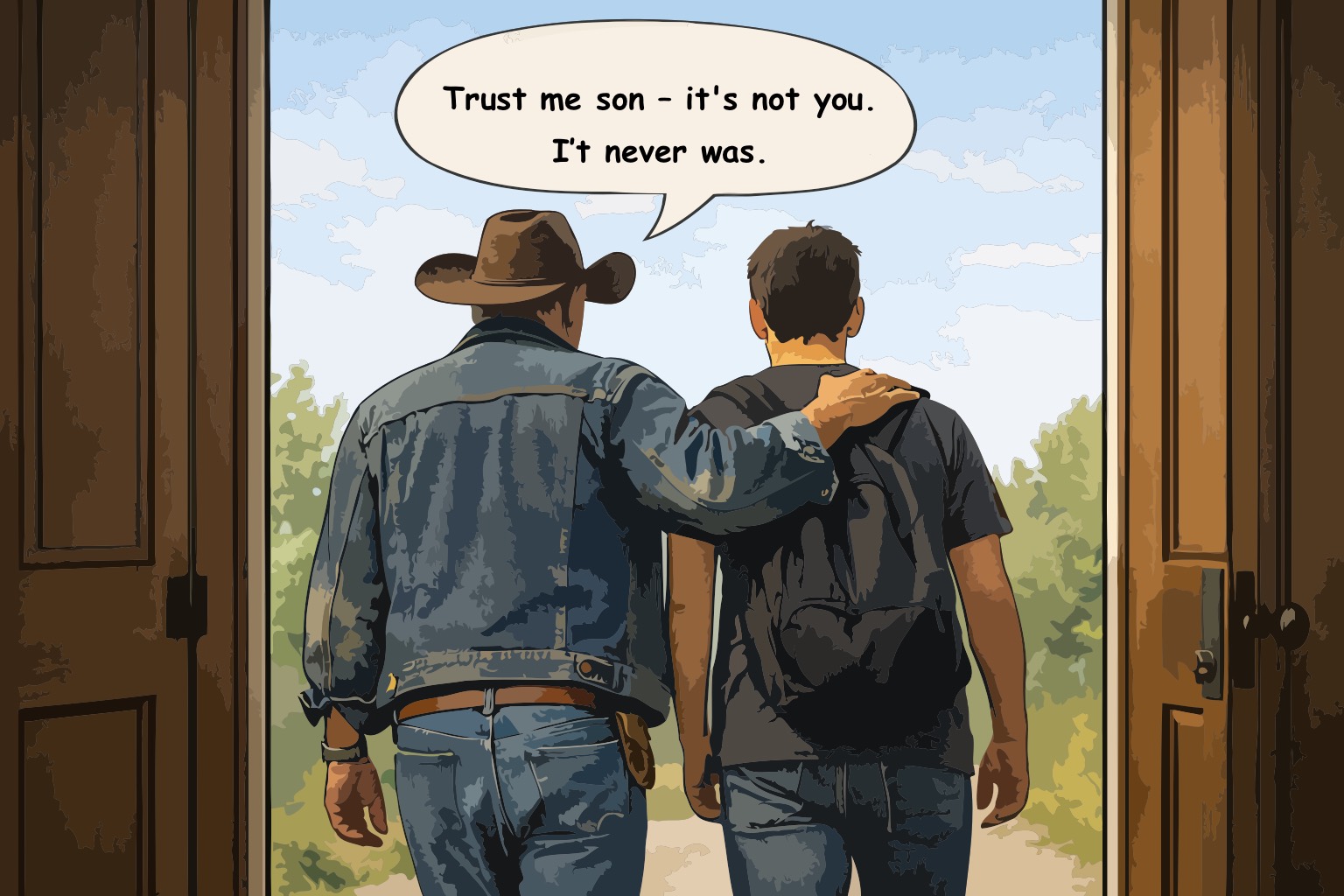
Today, if I met that 19-year-old as a grown man, I would tell him this:
You weren’t wrong.
You weren’t alone.
And you didn’t deserve that.
And I would ask him one simple question:
Did you ever see Jesus act that harshly over a drink of Alcohol in the Bible?
That question would have mattered to me back then. It still does.
The difference now is that I’m no longer afraid of the answer.
It's like fear based political loyalties versus the truth.
I used to think faith meant defending the system. I've learned you can't outrun conviction with faith. Now I think faith without truth is just loyalty to power. Nothing more.
If you can reconcile faith without truth, you’re primed for institutions that reward loyalty over honesty.
Because once you’ve learned to override your own perception in the name of belief, you can be led anywhere.
I did it for a while.
I told myself the punishment was spiritual discipline. I told myself the yelling was righteous anger. I told myself the silence was wisdom.
But it wasn’t.
It was fear dressed up as faith.
And that’s the danger.
Not belief.
Not scripture.
But the moment you’re asked to ignore what you can plainly see.
That’s where authority stops being spiritual and starts being political.
And I won’t do that again.